You can get by in Naples with English, but a few words of Italian, and a feel for the gestures, change how people treat you. Here is the short guide.
Italian vs Neapolitan
Standard Italian is what you will read on signs and hear on TV, and everyone understands it. But in Naples people often speak Neapolitan (napoletano) with each other. It is often called a dialect, though linguists treat it as a language of its own, with its own history, grammar, music and theater. It can sound like a different language even to Italians from the north, so do not be discouraged if you cannot follow a conversation at the next table.
You do not need to speak it. But a few words go a long way and always get a smile:
- Uè! A casual, friendly "hey!" used to get someone's attention or greet a friend.
- Guagliò: "kid" or "buddy," used for young people and friends.
- Jamme (ja'): "let's go!" or "come on!"
- Mannaggia: an all-purpose "darn it!"
Italian basics to learn first
- Buongiorno / Buonasera: good morning (through the early afternoon) and good evening (from late afternoon on). Use them every time you walk into a shop, cafe or restaurant, and when you leave say "Grazie, arrivederci."
- Per favore / Grazie / Prego: please, thank you, you're welcome.
- Scusi / Permesso: excuse me (formal), and the phrase for passing through a crowd or entering a space.
- Un caffè, per favore: a coffee, please. See our coffee guide for the rest.
- Il conto, per favore: the check, please. In Italy the check is not brought until you ask.
- Dov'è...?: where is...?
- Non capisco / Parla inglese?: I do not understand / do you speak English?
- Quanto costa?: how much is it?
Use the formal "Lei" instead of the casual "tu" with strangers, shop staff and anyone older than you. It sounds more polite, and Italians notice the effort.
Speaking with your hands
Neapolitans talk with their whole bodies. Gestures are a real part of the language, and they are often used instead of words. A few you will see every day:
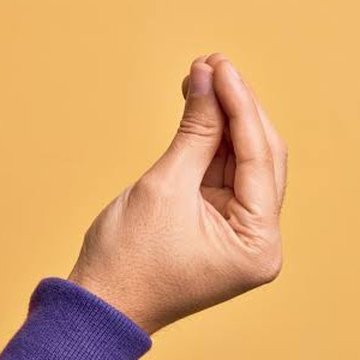
"Che vuoi?" or "What are you saying?" The most famous Italian gesture, usually delivered with a smile and a raised eyebrow.
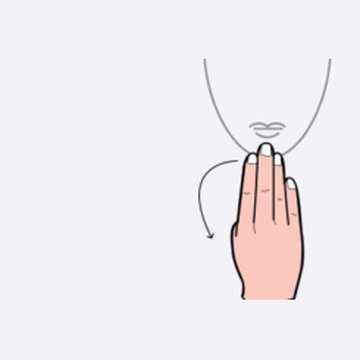
"I don't care" or "no way" (non mi interessa). Casual, not necessarily rude, but use it only among friends.
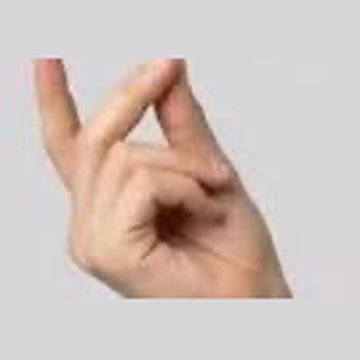
"Soldi": money, or "that is expensive."
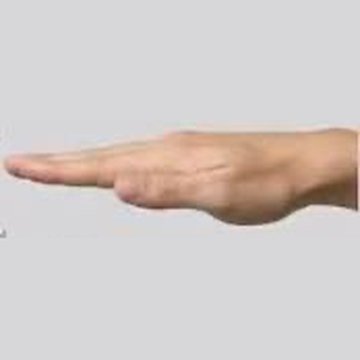
"Vieni qui": "come here." It looks like waving goodbye to Americans, so do not be confused when someone does it.
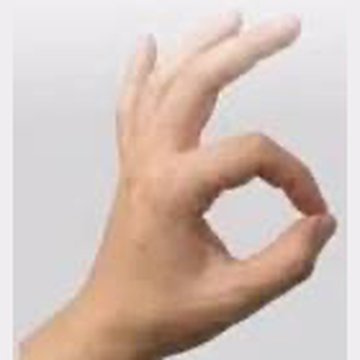
"Perfetto!" or "Great!" It means the same as in the US, so it is a safe one to use.
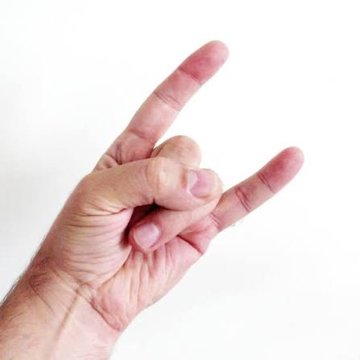
Index and little finger extended. Pointed down at the ground, it is a charm against bad luck, and Neapolitans are famously superstitious. Pointed at a person it is an insult, so avoid doing it.
Do not worry about getting them perfect. Watching people use them is half the fun of the city.
Tips to get through your day
- Always greet before you ask for anything. Walking up and starting with a question is considered abrupt.
- Start in Italian, even badly, and let people switch to English if they want. Most are happy to meet you halfway.
- Learn numbers, because you will need them at the market, at the bar and with the taxi meter.
- Conversations here are loud and fast. It usually is not an argument, even if it sounds like one.
- Keep a translation app handy, and stay patient. "Piano, piano" means slowly, slowly, and is the best advice for the city.
The HelpmeNapoli app includes a phrases section with spoken pronunciation to practice before you go. And if you want to learn properly, our interactive Italian language course uses the city as the classroom.